
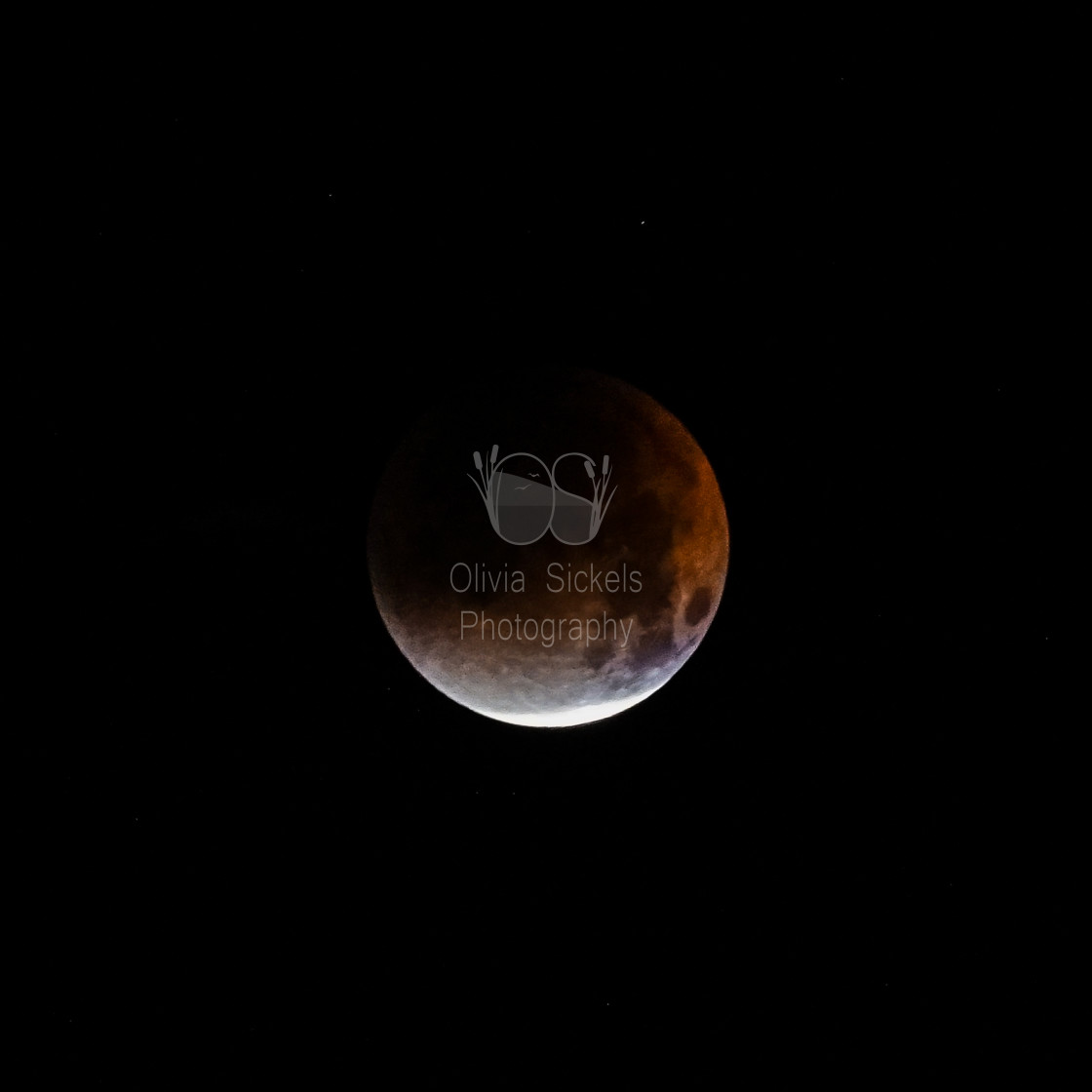
Total Lunar Eclipse
Description
Last Sunday into the early hours of Monday, I stayed up to photograph the total lunar eclipse visible across much of Asia, Europe, Africa, and Australia. Watching the Earth’s shadow slowly consume the moon felt like witnessing a quiet planetary rhythm—one that’s played out for millennia, long before we had cameras to document it.
As I watched the moon slip into shadow, I was reminded of the only other lunar eclipse I’ve knowingly seen. It was October 2004, back in eastern North America. I was young, and my mom had brought me outside to catch the beginning of the partial phase. I didn’t see totality then, but it was the first time I saw the moon change shape in real time.
This time, nearly twenty years later, I stood behind the lens. The sequence of images in this post follows the eclipse from its late penumbral phase through totality, when the moon took on its deep reddish hue. This phenomenon, often called a “blood moon,” occurs when sunlight refracted through Earth’s atmosphere casts a copper glow across the lunar surface.
Just the week before, I’d taught my earth science students about lunar and solar eclipses. Staying up to capture this felt like a quiet gift—for me, and for them.
Details
1660 x 1660px
Formats
Digital Download
Printed Product
Buy
From $13.56